
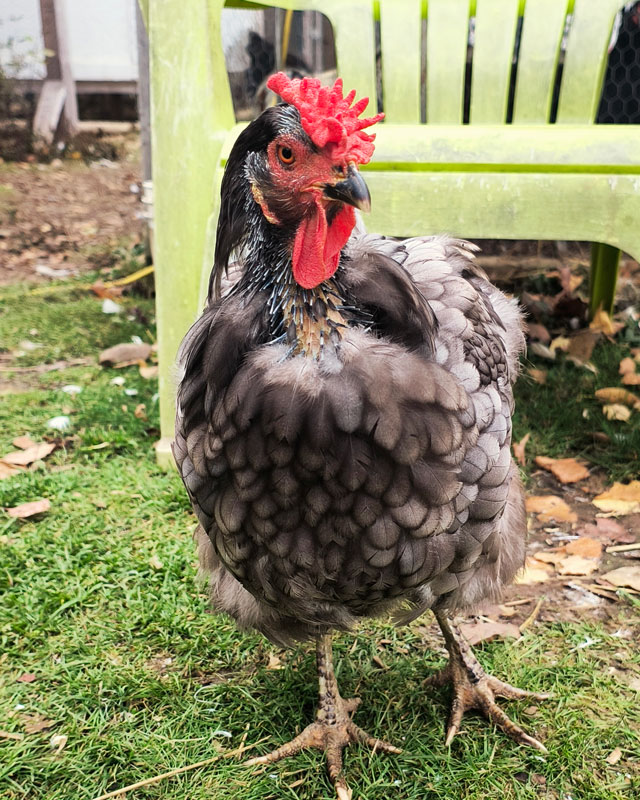
What Is Molting, Anyway?
Molting is your chickens’ way of trading in last season’s wardrobe. Usually once a year, often in late summer or fall, chickens start losing old feathers and growing new ones. It’s their natural way to refresh their plumage before winter, keeping them warm and weather-ready.
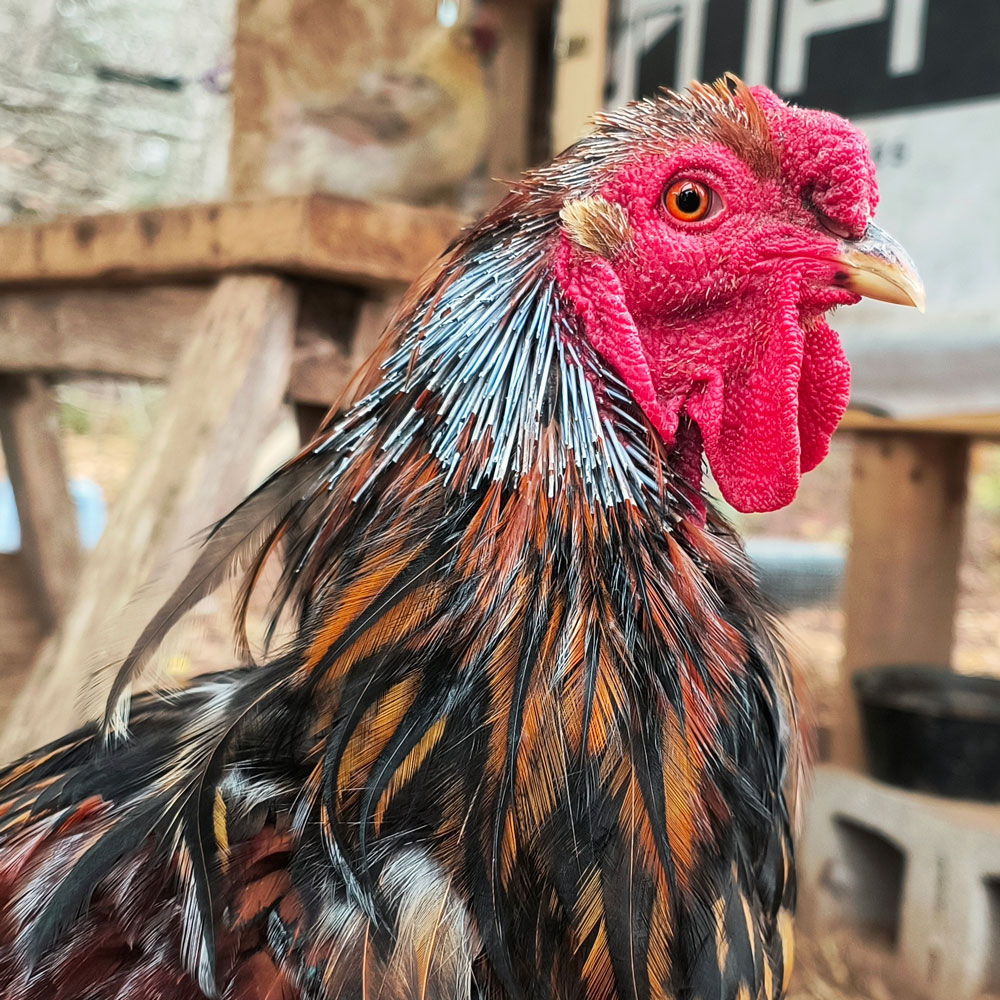
While it can look a bit alarming (hello, patchy necks and bald spots), molting is a perfectly healthy process. During this time, chickens usually stop or greatly slow down egg production because their bodies are putting energy into growing feathers instead of laying eggs.
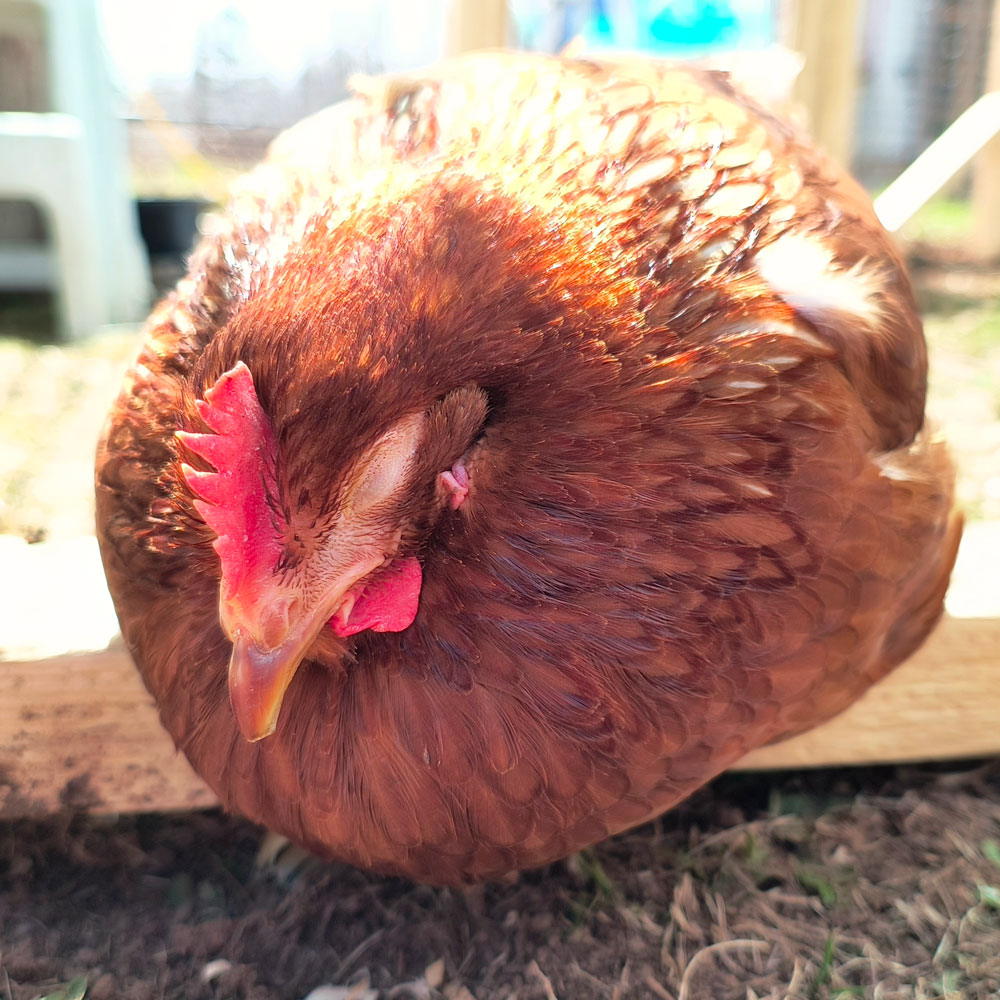
In my experience, most chickens have less energy while they’re molting – which makes sense since they’re putting so much effort into growing feathers. They’re tired, lay around a lot, and don’t have the usual zest for life they usually do.
Why Do Chickens Molt?
A few things can trigger a molt:
Seasonal change: Shorter daylight hours often start the process.
Age: Most chickens molt for the first time around 12–18 months old.
Stress: Extreme heat, a change in flock dynamics, or even moving coops can occasionally trigger a mini-molt.
Think of it like chicken self-care – a built-in reset button that gets their feathers in top shape again.
Tips for Helping Your Chickens During Molt
Boost Their Protein
Feathers are made mostly of protein, so your hens may need a little extra to regrow them. Some people switch from a layer feed to a higher-protein feed (around 18–20%) but I don’t like to mess with feed so, instead, I offer protein-rich snacks like scrambled eggs, meat and mealworms.
Don’t Handle Them
Those new pin feathers coming in are sensitive! Try to avoid too much cuddling and let them have their space. If your chickens insist on being held, try to avoid the areas where you can see pin feathers emerging.
Minimize Stress
Try not to make big changes during molt. No new flock members, no coop renovations, and definitely no long road trips in chicken crates. Calm, consistent routines help them recover faster.
Provide A Cozy Shelter
Molting chickens can feel chilly, especially if they lose feathers during cooler months. Their coop should already be draft-free and dry with plenty of clean bedding, but this is especially important during molt.
Don’t Panic About the Eggs
It’s totally normal for egg laying to slow down or even stop for a few weeks. Once their new feathers are in and daylight hours increase again, they’ll pick back up.
If you live in a place with very short winter days – like I do in Nova Scotia – your hens may not resume laying until the days get longer in spring. Mine tend to slow down in September and, especially, October, and then stop completely in November. Usually in March, the days are long enough for them to start laying again.
When to Worry
If your chicken seems weak, has bare patches that aren’t filling in after several weeks, or if you notice mites or lice, it might be something other than a regular molt. Give them a close inspection and treat for pests if needed – and if you’re unsure, a quick chat with a poultry-savvy vet can help set your mind at ease.
The Bottom Line
Molting might look messy, but it’s a good sign your flock is healthy and doing what nature intended. Give them a little extra protein, keep stress low, and let them strut through their awkward phase in peace. Before you know it, they’ll be back to looking like the supermodels of the coop – feathers, attitude, and all.